
Profile
Hyperpigmentation is one of the most common skin concerns, appearing as dark spots, uneven patches, or an overall dull and uneven complexion. It can develop for many reasons, including sun exposure, post-acne marks, hormonal changes, inflammation, and natural skin aging. Because these changes can be difficult to manage with skincare alone, many people explore professional facial treatments for a brighter and more even-looking complexion.
One treatment that has gained attention for its combination of cleansing, exfoliation, hydration, and skin rejuvenation is the HydraFacial. For people considering HydraFacial Treatment in Muscat, an important question is whether the procedure can actually help with hyperpigmentation or whether it mainly improves skin hydration and texture.
The answer is that a HydraFacial may help improve the appearance of some types of pigmentation, particularly when discoloration is associated with superficial buildup, sun exposure, or post-inflammatory marks. However, it is not a universal treatment for every pigmentation condition. Understanding what the procedure can and cannot do can help individuals develop realistic expectations before treatment.
What Is a HydraFacial Treatment?
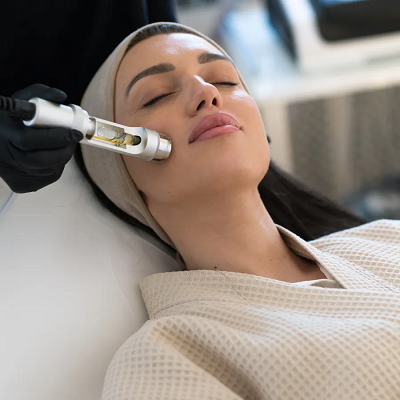
A HydraFacial is a non-invasive facial treatment designed to cleanse, exfoliate, extract impurities, and hydrate the skin during a single session. Unlike traditional facials that may rely heavily on manual extraction, HydraFacial treatments generally use a specialized device to perform several stages of skin care in a controlled manner.
The treatment typically begins with cleansing and gentle exfoliation to remove surface debris and dead skin cells. This is followed by a process designed to loosen and remove impurities from pores. Hydrating and nourishing ingredients are then applied to support a smoother and more refreshed appearance.
One reason the treatment is popular is that it can address several visible skin concerns at the same time. These may include dullness, rough texture, clogged pores, dehydration, and the appearance of fine lines. Depending on the individual’s skin condition and treatment plan, additional ingredients or boosters may also be incorporated.
For pigmentation concerns, the exfoliation component is particularly relevant. Removing accumulated dead skin cells can make the complexion appear brighter and may help reduce the visibility of superficial discoloration over time.
How Can HydraFacial Help With Hyperpigmentation?
Hyperpigmentation occurs when certain areas of the skin produce or retain more melanin than surrounding skin. The result can be darker spots or patches that make the complexion appear uneven.
A HydraFacial does not simply “erase” pigment. Instead, several aspects of the treatment may contribute to a brighter-looking complexion.
Gentle exfoliation
Exfoliation can remove dead cells from the outermost layers of the skin. When pigmented cells are present near the surface, removing some of this buildup may make dark areas appear less noticeable.
Regular, appropriately performed exfoliation may also help improve overall skin clarity. However, excessive exfoliation can irritate the skin, and irritation can sometimes make pigmentation worse, particularly in people who are prone to post-inflammatory hyperpigmentation.
Improved skin hydration
Hydration does not directly remove excess melanin, but well-hydrated skin often looks smoother, healthier, and more radiant. When the skin surface is dry or rough, discoloration can appear more pronounced.
The hydrating stage of a HydraFacial can help improve the skin’s immediate appearance, making the complexion look fresher after treatment.
Removal of surface impurities
A treatment that cleanses pores and removes surface buildup can improve overall skin texture. Although this does not directly treat deeper pigmentation, smoother skin can reflect light more evenly, contributing to a brighter appearance.
Support for a consistent skincare routine
Professional treatments can complement an appropriate home skincare routine. Once the skin feels smoother and cleaner, some individuals may find it easier to maintain a consistent regimen recommended for their specific concerns.
It is important to remember that a facial treatment should generally be considered part of a broader skin-health strategy rather than a standalone solution for persistent pigmentation.
Which Types of Hyperpigmentation May Respond Best?
Not all pigmentation is the same. The underlying cause, depth of pigment, skin type, and duration of the discoloration can all influence how well a particular treatment works.
HydraFacial may be more useful for mild and superficial discoloration, including some forms of sun-related uneven tone and post-inflammatory marks. For example, a person who has dark marks left behind after acne may notice a gradual improvement in overall skin brightness when professional exfoliation is combined with appropriate home care.
Sun exposure is another important factor. Repeated ultraviolet exposure can contribute to uneven pigmentation and premature skin aging. A treatment that improves surface texture may make the complexion look more even, but continued sun exposure can undermine those results.
Melasma is more complicated. It is often influenced by hormonal and environmental factors and can be persistent or recurrent. While a HydraFacial may improve overall skin appearance, it may not be sufficient as the primary treatment for melasma. Individuals with significant or recurring pigmentation should seek an appropriate professional assessment to determine the underlying cause.
Similarly, deeper or long-standing pigmentation may require a different treatment approach. Depending on the diagnosis, options may include prescription skincare, chemical peels, laser-based procedures, or other professionally selected treatments.
What Can Someone Expect During and After Treatment?
One advantage of HydraFacial is that it generally involves little to no downtime. A person may experience temporary redness, mild sensitivity, or a feeling of tightness immediately afterward, although many people return to normal activities relatively quickly.
The skin can look cleaner, smoother, and more hydrated after a session. Some people notice an immediate glow, while improvements related to uneven tone may become more apparent after repeated treatments.
The number of sessions needed varies according to the individual’s skin condition and goals. A person with mild dullness may seek occasional treatments for maintenance, whereas someone focusing on persistent uneven pigmentation may require a more structured plan.
Results should not be viewed as permanent. Pigmentation can return or become more noticeable when the underlying triggers remain present. This is especially important for sun-related discoloration.
Why Sun Protection Matters After HydraFacial
Sun protection is one of the most important parts of managing hyperpigmentation. Even an effective professional treatment cannot prevent new pigmentation if the skin continues to receive significant ultraviolet exposure.
Daily broad-spectrum sunscreen can help protect the skin from ultraviolet radiation that contributes to pigmentation and premature skin aging. This is particularly relevant in sunny climates, where outdoor exposure can be substantial throughout the year.
After exfoliating treatments, skin may also be temporarily more sensitive. Following the aftercare instructions provided by the treatment professional is therefore important.
Along with sunscreen, individuals can consider practical sun-protection measures such as seeking shade, wearing protective clothing, and limiting prolonged direct exposure during intense sunlight.
A consistent approach is generally more valuable than relying on occasional treatments alone.
Is HydraFacial Suitable for Everyone With Pigmentation?
HydraFacial can be suitable for many people, but suitability should be determined on an individual basis. Skin that is irritated, inflamed, sunburned, or experiencing certain active conditions may require postponing treatment.
People with a history of significant pigmentation changes should also be cautious about aggressive exfoliation. Skin irritation can sometimes trigger additional pigmentation, particularly in individuals who are more susceptible to post-inflammatory hyperpigmentation.
Before choosing HydraFacial Treatment in Muscat, an individual can benefit from discussing their skin history, current products, allergies, previous procedures, and pigmentation concerns with a qualified skincare professional. This assessment can help determine whether HydraFacial is appropriate and whether another treatment may be more effective.
It is also useful to establish realistic expectations. HydraFacial may improve brightness, hydration, and surface texture, but it should not be presented as a guaranteed cure for hyperpigmentation.
HydraFacial Treatment in Muscat: What Should People Consider?
For people researching HydraFacial Treatment in Muscat, the most important consideration is not simply whether the treatment is popular, but whether it matches the specific pigmentation concern.
A good treatment plan should begin with identifying the likely cause of discoloration. Someone dealing primarily with dry, dull skin and mild uneven tone may have different needs from someone with melasma, persistent acne-related pigmentation, or deeper sun spots.
The treatment approach may also need to account for skin sensitivity. A gentler protocol may be preferable for individuals whose skin becomes irritated easily.
Another important factor is aftercare. A professional facial can support healthier-looking skin, but long-term results often depend on daily habits. Sun protection, gentle cleansing, suitable moisturization, and carefully selected skincare products can all contribute to maintaining an even-looking complexion.
People should also avoid assuming that more frequent treatments automatically produce better results. Over-treatment can irritate the skin and potentially worsen certain pigmentation problems. A personalized schedule is generally more appropriate than following a one-size-fits-all routine.
Frequently Asked Questions
1. Can HydraFacial completely remove hyperpigmentation?
No. HydraFacial may help improve the appearance of mild, superficial pigmentation and create a brighter, more even-looking complexion, but it does not guarantee complete removal. Deeper or persistent pigmentation may require a different or combined treatment approach.
2. How many HydraFacial sessions are needed for pigmentation?
The number of sessions depends on the type and severity of pigmentation, skin sensitivity, and individual goals. Some people notice improved radiance after one session, while pigmentation concerns may require multiple treatments and consistent home skincare.
3. Is HydraFacial painful?
HydraFacial is generally considered a gentle, non-invasive treatment. Most people describe the sensation as comfortable, although mild sensitivity or temporary redness can occur afterward.
4. Can HydraFacial make pigmentation worse?
Any exfoliating treatment can potentially cause irritation if it is too aggressive or unsuitable for a person’s skin. Since irritation may contribute to post-inflammatory pigmentation, treatment intensity should be selected according to the individual’s skin condition.
5. Is HydraFacial good for melasma?
HydraFacial may improve overall skin brightness and texture, but melasma can be persistent and is often influenced by hormonal and environmental factors. It should not be assumed that HydraFacial alone will control melasma. Professional assessment and a comprehensive pigmentation-management plan may be more appropriate.
6. What should be done after a HydraFacial for pigmentation?
Gentle skincare, adequate hydration, and consistent broad-spectrum sun protection are particularly important. Individuals should follow the aftercare guidance provided for their specific treatment and avoid unnecessarily irritating products immediately afterward.
Final Thoughts
HydraFacial can be a useful option for people who want to improve skin hydration, texture, dullness, and the appearance of mild uneven pigmentation. Its combination of cleansing, exfoliation, extraction, and hydration makes it a versatile treatment for overall skin rejuvenation.
However, hyperpigmentation has many possible causes, and not every type responds in the same way. A person considering HydraFacial Treatment in Muscat should first understand what is causing the pigmentation and whether HydraFacial is appropriate for that particular concern.
The best results are usually achieved through a balanced approach that combines suitable professional treatment with consistent home skincare and effective sun protection. With realistic expectations and an individualized plan, HydraFacial may become a useful part of a broader strategy for achieving a smoother, brighter, and more even-looking complexion.
Read More About HydraFacial Treatment: https://ezeearticle.com/what-not-to-do-after-a-hydrafacial-treatment/
Map
Sorry, no records were found. Please adjust your search criteria and try again.
Sorry, unable to load the Maps API.
