

Profile
Liposuction is often described as a procedure for removing unwanted fat, but modern body contouring involves much more than simply reducing the amount of fat in a particular area. Every person has a different body structure, fat distribution, skin quality, and set of aesthetic goals. For that reason, liposuction can often be customized to complement an individual’s natural body shape rather than following a standard approach.
For people considering Liposuction Surgery in Oman, understanding how customization works can make the treatment process easier to understand. The procedure may be planned around specific areas of concern, overall body proportions, skin elasticity, and the type of contour a person hopes to achieve. The objective is generally to create a balanced appearance while removing localized fat deposits safely and appropriately.
Liposuction is not intended to replace weight management or serve as a general weight-loss solution. Instead, it is primarily a body-contouring procedure that can help refine areas where stubborn fat remains despite healthy lifestyle habits. A personalized assessment is therefore an important part of determining whether the procedure is suitable.
What Does Customized Liposuction Mean?
Customized liposuction means that the treatment plan is developed according to the individual’s anatomy and goals rather than applying exactly the same technique to every patient.
People can carry fat differently. One person may have more fullness around the abdomen and waist, while another may notice disproportion around the hips, thighs, upper arms, back, or under the chin. Even when two people have similar body weights, their body contours can look very different.
During an assessment, the surgical team can evaluate the distribution of excess fat, the condition of the skin, and the relationship between different parts of the body. These observations can help determine which areas may benefit from contouring and how much correction may be appropriate.
Customization may also involve deciding whether one area should be treated alone or whether several areas need to be considered together. For example, improving the waistline may involve assessing the abdomen and flanks as part of the same overall contour rather than focusing on only one section.
The purpose is not necessarily to make every treated area as small as possible. Instead, thoughtful fat removal can help maintain proportion and produce a more natural-looking result.
How Body Shape Influences the Treatment Plan
Body shape is an important consideration because liposuction changes the distribution of fat beneath the skin. The surgical plan needs to take the person’s existing proportions into account.
Someone with more fullness around the abdomen may require a different approach from someone whose primary concern is the outer thighs. Similarly, a person seeking greater definition around the waist may need a plan that considers the abdomen, flanks, and surrounding areas.
The main considerations can include:
Fat distribution: The location and amount of localized fat can influence which areas are treated.
Body proportions: The appearance of one body area is often connected to the surrounding areas. Treating only one location without considering overall proportions may not provide the desired visual balance.
Skin elasticity: Skin needs to adapt to changes in the underlying tissue after fat removal. Individuals with better skin elasticity may experience different contouring outcomes from those with significant skin laxity.
Treatment goals: Some people prefer subtle refinement, while others may be looking for more noticeable contour improvement. Clear communication helps establish realistic expectations.
Overall health: Medical history and general health are important when determining whether elective surgery is appropriate.
A customized plan therefore considers the entire person rather than focusing only on the fat deposit itself.
Which Areas Can Be Customized With Liposuction?
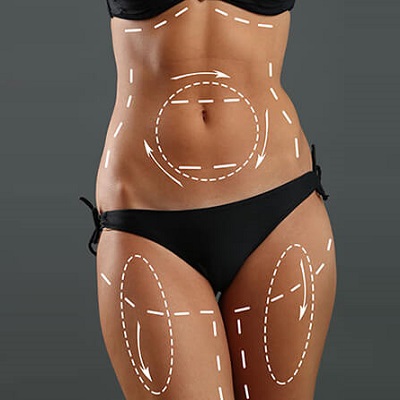
Liposuction may be used to contour several areas of the body when localized fat is present and the individual is considered an appropriate candidate.
The abdomen is one of the commonly treated areas. Some individuals may have persistent abdominal fullness even after making consistent lifestyle changes. Carefully planned fat removal can help refine the abdominal contour.
The waist and flanks can also be treated to improve the transition between the torso and hips. Addressing these areas may help create a more defined waistline when appropriate.
The thighs can have localized deposits on the inner or outer portions. Treatment may be considered when excess fat affects the overall proportion of the legs.
The upper arms are another possible treatment area. Liposuction may reduce localized fatty fullness, although significant loose skin may require a different approach.
The back can also develop areas of unwanted fat, including around the bra-line region or lower back. A customized plan can determine whether these areas would benefit from contouring.
Under the chin is another area where localized fat can affect facial or neck definition. In suitable candidates, carefully planned fat removal may help create a more defined transition between the chin and neck.
Not every area is appropriate for every person. The decision depends on anatomy, skin quality, health, and realistic treatment goals.
Why Skin Elasticity Matters
Removing fat does not automatically mean that the skin will become perfectly smooth or tight. Skin elasticity plays an important role in how the treated area responds after surgery.
Younger or more elastic skin may contract more effectively after the underlying fat is reduced. However, people with significant skin laxity may have a different outcome. If the skin cannot contract adequately, removing fat alone may leave excess skin or an uneven appearance.
This is one reason an individualized assessment is important before Liposuction Surgery in Oman. A qualified surgical professional can determine whether liposuction alone is likely to address the person’s concerns or whether another type of body-contouring treatment should be considered.
Weight changes can also influence skin quality and body contour. Maintaining a relatively stable weight before and after surgery can support more predictable results.
Can Liposuction Create a Completely New Body Shape?
Liposuction can alter body contours, but it should not be viewed as a way to completely transform a person’s natural anatomy.
The procedure is generally intended to refine specific areas and improve proportions. It does not change bone structure, muscle attachment, or every factor that determines body shape.
Realistic expectations are therefore essential. A person may notice a slimmer or more defined treatment area, but the result will still reflect their underlying anatomy.
For example, someone with a naturally wider pelvis will not have the same proportions as someone with a narrower pelvis simply because fat has been removed. Similarly, liposuction cannot create significant muscle definition where there is little underlying muscle.
The most satisfying outcomes often come from treating realistic, specific concerns while preserving the individual’s natural appearance.
What Happens During a Customized Liposuction Consultation?
The consultation is an important opportunity to develop an individualized treatment plan.
The surgical professional may begin by discussing the person’s concerns, medical history, previous procedures, medications, lifestyle, and expectations. Physical assessment can then help identify areas of localized fat and evaluate skin quality.
Measurements or photographs may sometimes be used for planning and comparison during follow-up. The treatment areas can also be discussed in relation to one another so that the planned changes are proportionate.
The consultation is also a suitable time to discuss anesthesia, surgical technique, expected recovery, possible complications, and postoperative care.
Patients should be encouraged to ask questions and provide complete health information. Certain medical conditions, medications, or lifestyle factors may influence surgical safety.
Most importantly, the consultation should result in a realistic understanding of what liposuction can and cannot accomplish. A good treatment plan balances aesthetic goals with anatomical limitations and patient safety.
Recovery and Maintaining Customized Results
Recovery after liposuction varies according to the number of areas treated, the amount of tissue removed, the technique used, and individual healing.
Swelling and bruising are common during the early stages. Temporary tenderness, numbness, or changes in sensation may also occur. Compression garments may be recommended to support the treated areas and help manage swelling during recovery.
Physical activity is generally reintroduced gradually. While gentle movement may be encouraged when appropriate, strenuous exercise and heavy lifting should be avoided until the surgical team provides clearance.
The final appearance may not be immediately visible. Swelling can take time to settle, and the body may continue changing as the healing process progresses.
Long-term results also depend partly on lifestyle. Liposuction removes fat cells from treated areas, but the remaining fat cells can enlarge with significant weight gain. Maintaining a stable weight through balanced nutrition and regular physical activity can help preserve the improved contours.
It is also important to remember that aging, pregnancy, major weight changes, and other factors can affect body shape over time.
Is Customized Liposuction Suitable for Everyone?
Not everyone is an appropriate candidate for liposuction. The procedure is generally considered for people who are in reasonably good health, have localized areas of excess fat, and have realistic expectations.
Individuals seeking major weight reduction may need to consider weight-management strategies rather than relying on liposuction. Similarly, people with substantial loose skin may require an alternative or additional body-contouring approach.
Certain health conditions may also increase surgical risks. A thorough medical assessment is therefore necessary before elective cosmetic surgery.
For those researching Liposuction Surgery in Oman, the focus should be on finding an appropriate treatment plan rather than choosing a procedure based solely on a desired body shape. Safety, realistic expectations, individual anatomy, and appropriate surgical planning should all be part of the decision-making process.
Ultimately, customized liposuction is about enhancing the body’s existing proportions. When carefully planned, the procedure can target specific areas of stubborn fat while aiming to maintain a balanced and natural-looking appearance.
Frequently Asked Questions
1. Can liposuction be customized for different body shapes?
Yes. Liposuction can often be tailored to an individual’s fat distribution, anatomy, skin quality, and aesthetic goals. The treatment plan may focus on one area or several related areas, depending on what is considered appropriate during the consultation.
2. Can liposuction make the waist more defined?
Liposuction may help create a more defined waist when excess fat around the abdomen and flanks contributes to a less pronounced waistline. However, the result depends on the person’s natural anatomy, fat distribution, skin elasticity, and other factors.
3. Does customized liposuction mean more fat is removed?
Not necessarily. Customization is about determining where and how fat should be removed to create appropriate proportions. Removing the maximum possible amount of fat is not the goal. Controlled and appropriate contouring is generally more important for achieving a balanced result.
4. Can liposuction tighten loose skin?
Liposuction primarily removes localized fat and does not function as a dedicated skin-tightening procedure. People with significant loose skin may require a different or additional treatment. Skin elasticity is therefore an important factor during the preoperative assessment.
5. Can several body areas be treated with liposuction?
Several areas may sometimes be treated as part of one surgical plan, but this depends on factors such as overall health, the extent of treatment, operative safety, and the surgical professional’s assessment. Combining areas is not automatically appropriate for every patient.
6. How can someone maintain the results of customized liposuction?
Maintaining a relatively stable weight, following a balanced diet, staying physically active when medically appropriate, and attending recommended follow-up appointments can help preserve body contours. Significant weight gain can change the appearance of the treated and untreated areas.
Read More About Liposuction Surgery: https://www.asianfanfics.com/blog/1355106/what-determines-whether-liposuction-is-recommended
Map
Sorry, no records were found. Please adjust your search criteria and try again.
Sorry, unable to load the Maps API.
