

Profile
Acne-prone skin often needs a careful balance between effective exfoliation and gentle skincare. While exfoliating treatments can help remove dead skin cells, improve uneven texture, and keep pores from becoming congested, the wrong treatment or overly aggressive approach may leave acne-prone skin irritated. This is where an Organic Peel may be worth considering for some people.
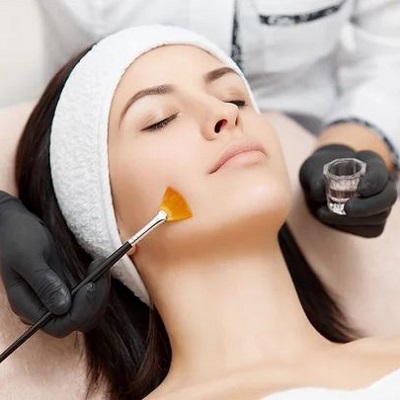
An Organic Peel is generally designed to exfoliate the outermost layers of the skin using naturally derived ingredients, depending on the specific formulation. Some treatments may contain fruit-derived acids, plant-based ingredients, enzymes, or other naturally sourced exfoliating compounds. Because formulations vary considerably, the term “organic peel” does not automatically mean that every treatment is mild or suitable for every skin type.
For people dealing with breakouts, clogged pores, post-acne marks, or rough skin texture, the key question is not simply whether an Organic Peel can be used. The more important question is whether the particular peel, its strength, and the person’s current skin condition make it an appropriate choice.
How Can an Organic Peel Help Acne-Prone Skin?
Acne is often associated with excess oil, dead skin cells, clogged pores, inflammation, and changes in the skin’s natural shedding process. Exfoliation can sometimes support clearer-looking skin by helping remove accumulated dead cells from the skin’s surface.
Depending on its ingredients, an Organic Peel may provide several potential benefits for acne-prone skin.
Helps Remove Dead Skin Cells
Dead skin cells can accumulate on the skin’s surface and contribute to a dull, rough appearance. When combined with excess oil, they may also contribute to clogged pores. A suitable peel can loosen and remove some of this buildup, leaving the skin feeling smoother.
May Improve the Appearance of Clogged Pores
Gentle exfoliation can help improve the appearance of congestion around the nose, forehead, chin, and other areas where pores tend to become blocked. However, a peel should not be viewed as a guaranteed solution for persistent or severe acne.
Supports Smoother Skin Texture
Acne-prone skin may develop uneven texture because of repeated breakouts, dryness, or post-inflammatory changes. Controlled exfoliation can make the surface of the skin appear more refined and even.
Can Brighten Post-Acne Marks
Some people experience dark spots after pimples heal. Certain exfoliating ingredients can encourage the shedding of pigmented surface cells and gradually improve the appearance of uneven pigmentation. Results depend on the cause and depth of the discoloration, as well as the individual’s skin type and skincare routine.
Is an Organic Peel Safe During an Active Acne Breakout?
This is one of the most important considerations. An Organic Peel may not be appropriate when the skin has a large number of inflamed, painful, swollen, or irritated acne lesions.
Acne-prone skin is not necessarily the same as actively inflamed skin. Someone with occasional clogged pores and mild breakouts may respond differently to exfoliation than someone experiencing widespread inflammation.
Applying an exfoliating peel to already irritated skin may increase redness, dryness, stinging, or sensitivity. Picking or squeezing pimples can also compromise the skin barrier, making the skin more vulnerable to irritation.
For that reason, treatment should be based on the condition of the skin at the time of the peel rather than simply on the fact that the person has acne-prone skin.
A professional skin assessment can help determine whether exfoliation is appropriate, whether a gentler approach is preferable, or whether the skin should first be allowed to recover.
Which Acne-Prone Skin Concerns May Benefit From an Organic Peel?
Not every acne-related concern responds in the same way. An Organic Peel may be more useful for certain surface-level concerns than others.
Mild Congestion and Uneven Texture
People who experience occasional blackheads, whiteheads, or rough texture may find controlled exfoliation helpful. The goal is to improve the skin’s surface without causing excessive dryness or irritation.
Dull-Looking Skin
Acne-prone skin can sometimes look tired or uneven because of accumulated dead skin cells and inflammation. A suitable peel may provide a fresher-looking appearance by removing some of the superficial buildup.
Post-Acne Discoloration
After a breakout disappears, discoloration can remain for weeks or months. Depending on the ingredients used, exfoliation may support gradual improvement in the appearance of these marks.
However, darker skin tones can be particularly prone to developing pigmentation after inflammation or irritation. Aggressive exfoliation may sometimes make discoloration worse rather than better. This makes appropriate treatment selection especially important.
Rough or Uneven Surface
A properly selected peel may help smooth superficial roughness and create a more even skin texture. It may also allow skincare products to spread more evenly across the skin.
When Should Someone With Acne-Prone Skin Avoid an Organic Peel?
Although exfoliating treatments can have benefits, there are situations where postponing treatment may be the safer choice.
An Organic Peel may need to be avoided or delayed when the skin has significant irritation, open wounds, sunburn, active infections, severe inflammation, or a damaged skin barrier.
Extra caution may also be appropriate for people who are currently using strong acne treatments or prescription products that can increase skin sensitivity. Certain retinoids, exfoliating acids, acne medications, and other treatments can make the skin less tolerant of additional exfoliation.
The skin’s recent history matters too. Waxing, aggressive scrubbing, laser treatments, or other procedures may temporarily increase sensitivity. Combining multiple irritating treatments too close together can increase the likelihood of redness and discomfort.
A treatment provider should be informed about current skincare products, medications, allergies, previous reactions, and recent cosmetic procedures before an Organic Peel is performed.
How Should Acne-Prone Skin Be Prepared for an Organic Peel?
Preparation can make a significant difference in how the skin responds.
The first step is usually to keep the skincare routine simple and gentle. Harsh scrubs, strong exfoliating products, and unnecessary active ingredients may need to be reduced or paused according to professional guidance.
The skin should also be adequately moisturized. A healthy skin barrier is better positioned to tolerate cosmetic exfoliation than skin that is already excessively dry or irritated.
Sun protection is another important part of preparation. Exfoliation can temporarily make the skin more sensitive to sunlight, so consistent broad-spectrum sunscreen use is essential.
It is also helpful to avoid picking or squeezing active acne before treatment. Manipulating breakouts can increase irritation and make the skin more vulnerable during exfoliation.
If someone has a history of sensitive skin or reactions to skincare products, a professional may recommend a patch test or a more conservative treatment approach.
What Can Be Expected After an Organic Peel?
The experience after an Organic Peel depends on the formula, concentration, treatment method, and individual skin sensitivity.
Some people may notice smoother and brighter-looking skin relatively soon after treatment. Others may experience temporary tightness, mild redness, dryness, or sensitivity. With certain peels, visible peeling may occur, although not every peel causes obvious skin shedding.
It is important not to force peeling by rubbing, scratching, or manually removing flakes. Doing so can irritate the skin and potentially contribute to discoloration.
Post-treatment skincare should generally focus on calming and protecting the skin. Gentle cleansing, appropriate moisturization, and sun protection are particularly important.
For acne-prone skin, simplicity is often helpful immediately after exfoliation. Introducing several new products at once can make it difficult to determine what is causing irritation if the skin reacts.
Can an Organic Peel Replace Acne Treatment?
An Organic Peel should generally be viewed as a cosmetic skincare treatment rather than a universal replacement for acne management.
Acne can have several contributing factors, including oil production, follicular blockage, inflammation, hormones, genetics, and certain medications or lifestyle factors. A peel may improve some surface-level concerns, but it may not address the underlying causes of persistent or severe acne.
For someone with occasional blemishes, an appropriate exfoliating treatment may complement an established skincare routine. For someone with frequent, painful, cystic, or scarring acne, professional medical evaluation may be more appropriate.
The best results often come from treating the underlying acne while separately addressing concerns such as texture or post-acne discoloration.
Tips for Getting Better Results From an Organic Peel
An Organic Peel works best when it is considered as part of an overall skincare strategy rather than as a quick fix.
A few practical principles can help support healthier-looking skin:
Choose a peel formulated for the person’s specific skin condition.
Avoid using multiple strong exfoliants at the same time unless professionally advised.
Keep the skin moisturized before and after treatment.
Use sunscreen consistently.
Avoid picking, squeezing, or scratching acne lesions.
Follow recommended post-treatment instructions.
Allow adequate recovery time between exfoliating treatments.
Tell the treatment provider about current acne products and medications.
Stop treatment and seek professional advice if significant swelling, blistering, severe burning, or unusual skin reactions occur.
Most importantly, “natural” or “organic” should not automatically be interpreted as “risk-free.” Plant-derived ingredients can still be active and irritating. The strength, formulation, application method, and condition of the skin all matter.
Final Thoughts
So, is an Organic Peel suitable for acne-prone skin? In many cases, it can be, particularly when the skin has mild congestion, uneven texture, dullness, or post-acne discoloration and the treatment is appropriately selected. However, it is not automatically suitable for every person with acne.
The condition of the skin should always guide the decision. Inflamed acne, excessive sensitivity, a damaged skin barrier, or the use of strong acne medications may require extra caution or a temporary break from exfoliating treatments.
A gentle, individualized approach is generally more useful than choosing a peel simply because it is marketed as natural or organic. With appropriate treatment selection, realistic expectations, consistent sun protection, and good aftercare, an Organic Peel may become a useful part of a broader skincare routine for some acne-prone individuals.
Frequently Asked Questions
1. Can an Organic Peel make acne worse?
It can potentially worsen irritation if the peel is too strong, used too frequently, or applied to already inflamed or damaged skin. Acne-prone individuals should choose treatments carefully and follow appropriate professional guidance.
2. Can an Organic Peel help with acne scars?
An Organic Peel may help improve the appearance of superficial discoloration and uneven skin texture. However, deeper acne scars, such as significant indentations, generally require different treatment approaches and should be professionally assessed.
3. How often can someone with acne-prone skin get an Organic Peel?
There is no single schedule suitable for everyone. Frequency depends on the peel’s ingredients and strength, skin sensitivity, acne severity, and how the skin responds. Treatments should not be repeated simply because the skin has not yet achieved the desired result.
4. Is an Organic Peel suitable for sensitive and acne-prone skin?
It may be suitable in some cases, but sensitive skin requires extra caution. A gentler formulation and conservative treatment approach may be preferable. If the skin is currently irritated or has a weakened barrier, treatment may need to be postponed.
5. Can an Organic Peel remove blackheads?
Exfoliation may help loosen surface buildup and improve the appearance of clogged pores, but an Organic Peel is not guaranteed to remove all blackheads. Persistent congestion may require a broader skincare strategy.
6. What should be avoided after an Organic Peel?
Immediately after treatment, harsh scrubs, unnecessary exfoliating products, picking or peeling the skin, and excessive sun exposure should generally be avoided. Gentle skincare, moisturization, and consistent sunscreen use can help support recovery.
Read More About Organic Peel: https://www.asianfanfics.com/story/view/1759798
Map
Sorry, no records were found. Please adjust your search criteria and try again.
Sorry, unable to load the Maps API.
