

Profile
HydraFacial treatment has become a popular choice for people who want smoother, cleaner, and more hydrated-looking skin without significant downtime. Unlike a traditional facial, this treatment combines several skincare steps into one professional procedure, including cleansing, exfoliation, extraction, and hydration. A key part of the treatment is the use of specially formulated solutions and serums that support different stages of the process.
For people researching HydraFacial Treatment in Oman, understanding the ingredients used during the procedure can make it easier to know what to expect. The exact formulas can vary depending on the treatment type, skin concerns, and products selected by the skincare professional. Some solutions are designed to loosen dead skin cells, while others help hydrate, soothe, or improve the appearance of dull and congested skin.
What Is a HydraFacial Treatment?
A HydraFacial is a non-invasive professional skincare treatment designed to refresh the appearance of the skin through a multi-step process. It generally combines exfoliation, gentle extraction, and the application of nourishing or hydrating solutions.
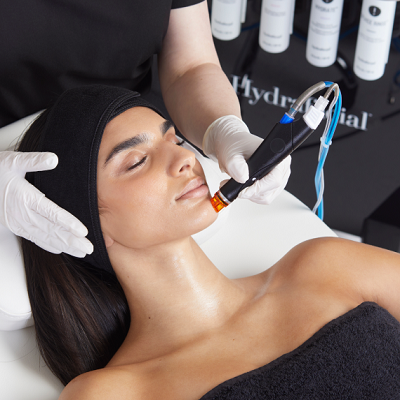
The treatment uses a specialized device with different tips and controlled suction. During the procedure, the skin is cleansed and exfoliated before impurities are extracted from the pores. A blend of serums is then applied to replenish moisture and deliver selected skincare ingredients to the skin’s surface.
One reason HydraFacial treatments are widely sought after is that they can be customized. Someone experiencing dry or dehydrated skin may receive a treatment focused more heavily on hydration, while another person with congested pores may benefit from ingredients and steps intended to support cleansing and extraction.
The ingredients are therefore an important part of the overall treatment experience. However, a HydraFacial is not simply about applying one particular serum. It is a sequence of professional skincare steps using different formulations.
Which Ingredients Are Commonly Used in HydraFacial Treatments?
HydraFacial formulas can contain several ingredients, depending on the specific treatment and skin goals. Some of the most commonly discussed ingredients include glycolic acid, salicylic acid, hyaluronic acid, peptides, antioxidants, and botanical extracts.
Glycolic Acid
Glycolic acid is an alpha hydroxy acid (AHA) commonly used in professional and at-home skincare products. It helps loosen the bonds between dead skin cells on the surface of the skin, supporting exfoliation.
In a HydraFacial, glycolic acid may be included in an exfoliating solution to help improve the appearance of rough or dull skin. By removing accumulated surface cells, exfoliation can make the skin appear smoother and brighter.
Because glycolic acid can be active, the strength and formulation used during a professional treatment are important. People with sensitive skin should discuss their skin history and current skincare products with the treatment provider before the procedure.
Salicylic Acid
Salicylic acid is a beta hydroxy acid (BHA) that is particularly associated with oily and congested skin. It is oil-soluble, which allows it to work within the pore environment.
In HydraFacial treatments, salicylic acid may be used as part of a resurfacing or cleansing solution. It can help loosen excess oil and debris, making it useful for people concerned about clogged pores and an uneven-looking complexion.
Not every HydraFacial requires salicylic acid. The suitability of this ingredient depends on the individual’s skin condition, sensitivity, and treatment goals.
Hyaluronic Acid
Hyaluronic acid is one of the best-known hydrating ingredients used in modern skincare. It is a humectant, meaning it helps attract and retain water.
During a HydraFacial, hyaluronic acid may be included in the hydration stage to help leave the skin feeling softer and more moisturized. This can be particularly appealing to people whose skin looks dry, tight, or tired.
Although the name contains the word “acid,” hyaluronic acid is not an exfoliating acid like glycolic or salicylic acid. Its primary role in skincare is hydration.
Peptides
Peptides are short chains of amino acids that are commonly included in skincare formulations designed to support the appearance of healthy, youthful-looking skin.
Some HydraFacial treatment formulas may contain peptides as part of a finishing serum. They are often selected for skincare routines focused on improving the look of firmness, texture, and overall skin quality.
The effects of peptides depend on the specific peptide, concentration, formulation, and individual skin characteristics. They should therefore be viewed as one component of a broader skincare approach rather than a standalone solution.
Antioxidants
Antioxidants are another important category of ingredients that may be included in HydraFacial serums. Common examples in skincare include vitamin C and other antioxidant compounds.
Antioxidants help protect skin from oxidative stress caused by free radicals. In professional skincare treatments, they may be used to support a brighter, healthier-looking complexion.
Vitamin C, for example, is commonly associated with improving the appearance of dull skin and supporting a more even-looking complexion. However, different formulations use different forms and concentrations of vitamin C, so the actual ingredients can vary.
Botanical Extracts
Some HydraFacial solutions and boosters contain botanical extracts selected for their soothing, moisturizing, or antioxidant properties. Depending on the formulation, these may include plant-derived ingredients used to complement the main treatment.
Botanical ingredients are not automatically suitable for everyone. Natural extracts can still cause irritation or allergic reactions in sensitive individuals. Anyone with known allergies should provide that information before treatment.
How Do These Ingredients Work Together?
One of the main advantages of a HydraFacial is the combination of multiple skincare functions rather than relying on one ingredient.
The process usually begins with cleansing and exfoliation. Ingredients such as glycolic acid or salicylic acid may help remove surface buildup and loosen impurities. The extraction stage then uses controlled suction to help remove debris from pores.
After cleansing and extraction, hydrating and nourishing formulations are applied. Ingredients such as hyaluronic acid can help replenish moisture, while peptides and antioxidants may provide additional skincare benefits.
This combination is designed to leave the skin feeling refreshed while addressing several common concerns at the same time. The exact sequence and ingredients can differ depending on the treatment protocol.
For individuals considering HydraFacial Treatment in Oman, it is useful to ask which solutions and boosters will be used during the session. This is especially important for people with sensitive skin, allergies, acne-prone skin, or a history of reactions to skincare products.
Who May Benefit From a HydraFacial?
HydraFacial treatments are often chosen by people concerned about several common skin issues, including dullness, dryness, rough texture, excess oil, and visible congestion.
Because the procedure can be customized, it may be suitable for different skin types. However, suitability is not determined by skin type alone. Existing skin conditions, recent cosmetic procedures, medications, allergies, and current skincare routines can all affect whether a treatment is appropriate.
People who use strong exfoliating products, retinoids, or prescription skincare should disclose these products before treatment. Combining multiple active ingredients too close together can sometimes increase irritation.
A professional skin assessment can help determine which ingredients and treatment intensity are appropriate. The goal should be to improve the appearance and comfort of the skin without unnecessarily irritating the skin barrier.
What Should Be Considered Before and After a HydraFacial?
Although HydraFacial is generally considered a gentle, non-invasive treatment, preparation and aftercare still matter.
Before treatment, the skin should be discussed with the skincare professional, particularly if there is active irritation, sunburn, open wounds, or a known sensitivity to acids or skincare ingredients. Recent cosmetic procedures should also be mentioned.
After the treatment, the skin may look fresh and feel hydrated, but it is still important to follow basic skincare practices. Gentle cleansing, regular moisturization, and broad-spectrum sunscreen can help support the skin after treatment.
It is also wise to avoid immediately overwhelming the skin with multiple strong exfoliating products. A skincare professional can recommend when to resume retinoids, exfoliating acids, or other active products based on the treatment performed and the condition of the skin.
Sun protection is especially important because exfoliation can temporarily make the skin more sensitive to environmental exposure. Applying an appropriate sunscreen and limiting unnecessary sun exposure can help protect the results of the treatment.
Frequently Asked Questions
1. What are the main ingredients used in a HydraFacial?
Common ingredients may include glycolic acid, salicylic acid, hyaluronic acid, peptides, antioxidants, and botanical extracts. The exact ingredients depend on the treatment protocol, selected boosters, and individual skin concerns.
2. Is salicylic acid always used during a HydraFacial?
No. Salicylic acid is not necessarily included in every HydraFacial. It may be selected when the treatment is focused on oily or congested skin. The choice depends on the individual’s skin condition and the professional treatment plan.
3. Does a HydraFacial contain hyaluronic acid?
Many HydraFacial formulations include hyaluronic acid because of its hydrating properties. It can help the skin feel moisturized and look more supple after treatment. However, the precise formulation can vary.
4. Are HydraFacial ingredients suitable for sensitive skin?
Some people with sensitive skin can receive a customized HydraFacial, but not every ingredient is appropriate for every individual. Active irritation, allergies, skin conditions, and sensitivity should be discussed before treatment so the procedure can be adjusted if necessary.
5. Can a HydraFacial help with dry skin?
Hydration-focused HydraFacial treatments may help temporarily improve the appearance and feel of dry or dehydrated skin. Ingredients such as hyaluronic acid can support moisture retention, while gentle exfoliation can remove surface buildup that contributes to a rough appearance.
6. How often can someone have a HydraFacial?
The appropriate frequency depends on the individual’s skin, treatment goals, and the products used. Some people schedule treatments periodically as part of a skincare routine, while others may only choose them before special occasions. A qualified skincare professional can recommend an appropriate schedule.
HydraFacial treatments combine professional cleansing, exfoliation, extraction, and hydration with carefully selected skincare ingredients. Glycolic acid and salicylic acid can support exfoliation and pore cleansing, while hyaluronic acid focuses on hydration. Peptides, antioxidants, and botanical extracts may provide additional skincare support depending on the formulation.
For anyone considering HydraFacial Treatment in Oman, understanding the ingredients is a useful first step. Rather than focusing only on the treatment name, it is helpful to ask which solutions will be used, why they have been selected, and whether they are suitable for the individual’s skin type and current skincare routine. With an appropriate treatment plan and sensible aftercare, HydraFacial can be a convenient option for achieving a cleaner, smoother, and more hydrated-looking complexion.
Read More About HydraFacial Treatment: https://ezeearticle.com/hydrafacial-treatment-what-makes-it-different-from-dermaplaning/
Map
Sorry, no records were found. Please adjust your search criteria and try again.
Sorry, unable to load the Maps API.
